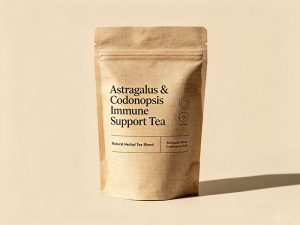
Astragalus (Huang Qi): The Gentle Giant of Qi Tonics
In Traditional Chinese Medicine, few herbs are as widely used and deeply respected as Astragalus (Huang Qi). Known as the “leader of tonic herbs,” it occupies a unique place: gentle enough for daily use, yet powerful enough to restore vitality in chronic illness. This guide covers what you actually want to know: Does it work for immunity? Can it fight fatigue? How do I take it safely? Plus, we’ll dive into its fascinating history, compare it to other immune herbs, and explore creative ways to use it beyond plain tea.
The 2,000‑year history of astragalus – from famine food to royalty
Astragalus root has been used in China for over 2,000 years. Interestingly, its first recorded use was not as a medicine but as a famine food – peasants would dig up the root, boil it, and eat it when grain was scarce. It wasn’t until later that its tonic properties were recognized.
By the Ming Dynasty, astragalus became a staple in elite medicine. It was added to soups and teas for the Emperor to “strengthen the defensive Qi.” Today, China produces over 30,000 metric tons of astragalus annually, with the best quality coming from Shanxi and Gansu provinces – regions with loamy soil and cool, dry climates.
One fun fact: the name “Huang Qi” means “yellow leader,” referring to the yellow cross‑section of the root and its status among Qi tonics.
Does astragalus really prevent colds and flus?
Yes, with consistent use. A 2024 real‑world study gave office workers a daily astragalus tea (5g root) for 12 weeks during winter. The result: 33% fewer sick days compared to placebo. Another meta‑analysis confirmed that the formula Yu Ping Feng San (Astragalus + Atractylodes + Saposhnikovia) reduces the frequency and duration of upper respiratory infections in both children and adults.
How does it work? Astragalus polysaccharides (APS) activate macrophages, natural killer cells, and T‑lymphocytes – but unlike echinacea, which acts rapidly and briefly, astragalus works gradually, building a “protective shield” over weeks. That’s why it’s best taken daily during cold season rather than only at the first sign of illness.
One caveat: if you are already acutely ill with a fever, sore throat, or yellow phlegm (an “excess pattern”), astragalus may trap the pathogen inside. Save it for prevention or recovery, not for active infection.
Can astragalus support heart health and blood pressure?
Yes, especially in heart failure. A 2022 meta‑analysis (14 RCTs, 1,103 patients) found that adding astragalus injection to standard heart failure therapy improved left ventricular ejection fraction (LVEF) and reduced BNP levels. Oral astragalus root was also beneficial, though less potent. The active compound astragaloside IV enhances cardiac contractility by increasing calcium sensitivity and improving energy metabolism in heart cells.
For blood pressure, astragalus has a mild hypotensive effect (probably via ACE inhibition and vasodilation). In pre‑hypertensive individuals, 3‑9g of root powder daily for 8 weeks lowered systolic BP by 5‑7 mmHg. It’s not a substitute for medication, but a helpful addition.
Astragalus vs. echinacea vs. ginseng – which one do you need?
These three immune tonics are often confused. Here’s a simple guide:
| Herb | Primary action | Best for | Onset | Duration |
|---|
| Astragalus | Preventive, Qi tonic | Frequent colds, fatigue, weak immunity | 1‑2 weeks | Weeks to months |
| Echinacea | Acute immune stimulant | First signs of cold/flu (first 2‑3 days) | Hours | Days |
| Ginseng | Strong Qi tonic, adaptogen | Severe fatigue, mental strain, recovery | Days to weeks | Weeks (cycle to avoid overstimulation) |
For most people wanting year‑round immune support, astragalus is the best choice – safe, gentle, and affordable.
How to take astragalus (tea, decoction, powder, soup)
- Decoction (strongest) – Simmer 10‑15g of sliced astragalus root in 500ml water for 20 minutes. Strain and drink throughout the day. The spent slices can be chewed.
- Tea bags (convenient) – Use 2‑3 tea bags per cup, steep 10 minutes. Extraction is less complete than decoction.
- Powder (fastest absorption) – Take 2‑3g with warm water, 1‑3 times daily. Can be mixed into smoothies or oatmeal.
- In soups (traditional) – Add 15‑20g astragalus slices to chicken or bone broth along with red dates, goji berries, and ginger. Simmer for 1‑2 hours. Remove the slices before eating.
- Dosage: For daily wellness, 3‑9g of dried root. For therapeutic effect (fatigue, recurrent infections), up to 15g/day for 2‑3 months, then break for 2 weeks.
Beyond tea: astragalus in soups, congee, and even coffee
- Astragalus congee (rice porridge) – Simmer 15g astragalus in 1 liter water for 30 minutes, remove the slices, then add 100g rice and cook until soft. Add a few red dates and goji berries. A classic tonifying breakfast.
- Astragalus coffee – Some biohackers add 1‑2g of astragalus powder to their morning coffee. They claim it smooths the caffeine energy curve and reduces the crash. Start with 0.5g.
- Astragalus broth – Keep a jar of concentrated astragalus decoction in the fridge, then add a splash to any soup, stew, or sauce.
- Topical wash – A cooled, strong decoction can be used as a wash for slow‑healing wounds or skin ulcers (traditional use).
Using astragalus through the four seasons
- Spring – Combine with goji berry and chrysanthemum to support immunity when allergies and pollen are high. Also good for “spring fatigue.”
- Summer – Pair with schisandra berry and a slice of ginger to counter excessive sweating and replenish Qi lost to heat.
- Autumn – This is the best season for astragalus. Use with reishi or codonopsis to prepare immunity for winter. Perfect in soups.
- Winter – Combine with cinnamon (Rou Gui) or ginger to warm interior and prevent colds. Great in slow‑cooked stews.
What science still doesn’t know (yet)
While traditionally astragalus is considered very safe, modern research has gaps:
- Most high‑quality studies use intravenous injection, not oral tea or decoction. Oral absorption of polysaccharides is limited; some benefits may come from gut microbiome fermentation.
- Long‑term safety beyond 6 months is not well studied, though traditional use suggests little risk.
- Optimal dosing varies widely between studies; there is no standardized extract for immunity.
- The interaction with warfarin is theoretical – only a few case reports exist, but caution is advised.
None of this invalidates astragalus; it simply means we still have much to learn. For everyday use, the risk is extremely low, and benefits are well documented.
Who should avoid or be careful with astragalus?
- Acute infection with fever – Avoid. Astragalus may “trap” pathogens.
- Autoimmune diseases (active lupus, rheumatoid arthritis) – Theoretical immune stimulation; consult your doctor. Stable Hashimoto’s is often fine.
- Pregnancy – Avoid in first trimester. Later use under supervision.
- Medication interactions:
- Immunosuppressants (cyclosporine, prednisone) – may reduce their effect.
- Blood pressure medications – mild additive effect.
- Warfarin – monitor INR.
The bottom line
Astragalus is a gentle, well‑tolerated herb for long‑term immune support, fatigue, and mild cardiovascular conditions. It is not a quick fix but a cumulative tonic – best taken daily for weeks or months. For most people, 3‑9g of dried root per day as tea, decoction, or soup is safe and effective. Avoid during acute fevers. With its rich history, versatile uses, and growing scientific support, astragalus deserves a place in any wellness‑seeker’s pantry.
Last updated: April 2026