Suan Zao Ren (Sour Jujube Seed): A Gentle, Non‑Addictive Sleep Aid
Insomnia affects nearly one‑third of adults worldwide. Many are understandably wary of prescription sleeping pills – fear of dependence, morning grogginess, and long‑term side effects. Suan Zao Ren (sour jujube seed) has been used for over 1,800 years as a primary herb for “restless insomnia.” Modern research is confirming what traditional healers knew: this tiny seed can improve sleep quality without the baggage of synthetic drugs. This guide explores how it works, how to use it, and why it’s different from other sleep aids.
The story of Suan Zao Ren: from wild jujube to sleeping aid
The sour jujube tree (Ziziphus jujuba var. spinosa) grows wild in northern China. Its fruits are small, tart, and largely ignored – but the seeds inside have been treasured for millennia. The earliest record appears in the Shennong Bencao Jing (ca. 200 CE), where Suan Zao Ren is ranked as a “superior herb” – non‑toxic and suitable for long‑term consumption. It was described as treating “soreness and pain in the tendons and bones, deficiency and fatigue, irritability, and thirst.”
Interestingly, the sweet red date (the fruit of a different variety) is a Qi tonic, while the seed (Suan Zao Ren) is sour and astringent, specializing in calming the spirit. This distinction reflects the sophistication of traditional Chinese pharmacology.
How does it work in the brain? (in plain English)
Suan Zao Ren does not force sedation like a tranquilizer. Instead, it restores the brain’s natural ability to fall and stay asleep. The main active compounds (jujubosides) increase the activity of GABA, the brain’s primary “calming” neurotransmitter – the same system targeted by benzodiazepines, but without the addictive over‑stimulation. Suan Zao Ren also reduces oxidative stress in the brain and gently influences serotonin, which is why it can also reduce anxiety.
Because it works through multiple pathways, the effect is gradual. Most people don’t feel an immediate “knockout” – instead, after 1‑2 weeks of consistent use, they notice falling asleep faster, waking up fewer times during the night, and feeling more refreshed in the morning.
What clinical studies actually say
Primary insomnia – A 2022 meta‑analysis (6 RCTs, 560 patients) compared Suan Zao Ren extract or formulas to placebo or benzodiazepines. Result: Suan Zao Ren significantly improved Pittsburgh Sleep Quality Index (PSQI) scores and increased total sleep time by an average of 58 minutes, with fewer side effects than the drug group.
Perimenopausal insomnia – A 2021 study (n=80) gave a Suan Zao Ren‑based formula for 4 weeks. PSQI scores dropped from 14.2 to 8.7, and hot flashes also reduced. The effect was comparable to low‑dose estazolam but without morning sedation.
Chronic fatigue with poor sleep – A 2024 pilot study used Suan Zao Ren powder (6g/day) in chronic fatigue syndrome patients. After 8 weeks, sleep quality and daytime energy improved significantly, with no serious adverse events.
Important note: Most studies used combined formulas, not single Suan Zao Ren alone. However, the seed extract alone has shown sedative effects in controlled settings.
Suan Zao Ren vs. valerian vs. melatonin vs. sleeping pills
| Feature | Suan Zao Ren | Valerian | Melatonin | Benzodiazepines |
|---|
| Mechanism | GABA upregulation, serotonin | GABA (valerenic acid) | Melatonin receptors | GABAA strong agonist |
| Onset of effect | 1‑2 weeks (gradual) | Days to 2 weeks | 30‑60 min | 15‑30 min |
| Dependence risk | None reported | Low | Minimal | Moderate to high |
| Morning grogginess | Very rare | Possible headache | Possible (high dose) | Common |
| Best for | Chronic insomnia with restlessness, racing mind | Difficulty falling asleep, mild anxiety | Circadian rhythm disorders | Acute, severe insomnia (short‑term) |
How to prepare and dose Suan Zao Ren for best results
- Decoction (traditional) – Crush 15g whole seeds (or use a cloth bag). Add 500ml water, bring to boil, then simmer for 20 minutes. Strain and drink warm, 1 hour before bed. This is the most effective method.
- Powdered form – Grind raw seeds into fine powder. Take 3‑6g with warm water, 1 hour before bed. Faster absorption but slightly less palatable.
- Tincture (alcohol extract) – 2‑4 ml (40‑80 drops) in water. Use 40% alcohol tincture; store away from light.
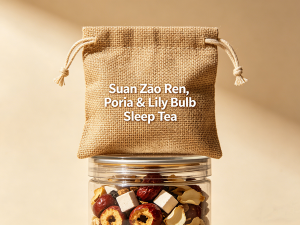
- Sleep tea blend – Combine 5g crushed Suan Zao Ren + 5g Lily bulb + 5g Goji berry + 3g Schisandra. Steep in 400ml boiling water for 15 minutes. Drink after dinner.
- Congee (rice porridge) – Simmer 15g crushed Suan Zao Ren, 30g white rice, and 8 red dates in 1 liter water until soft (about 1 hour). Remove the seeds before eating. Excellent for elderly or weak individuals.
Dosage: For sleep, 10‑15g decoction per day. For general stress, 6‑9g. Start with a lower dose and increase gradually.
Beyond tea: powder, congee, and even tinctures
- Bedtime honey paste – Mix Suan Zao Ren powder (3g) with a teaspoon of raw honey. Swallow directly or add to warm water.
- Sleep pillows – Fill a small cloth bag with crushed Suan Zao Ren seeds (or a blend with lavender) and place inside your pillowcase. The subtle aroma may enhance relaxation.
- Sound sleep foot soak – Decoct 30g Suan Zao Ren in 2 liters of water, add to foot bath water. Soak 20 minutes before bed (traditional therapy for restless nights).
Using Suan Zao Ren through the seasons
- Winter – best season for deep sleep – In TCM, winter corresponds to the kidney system and deep rest. Use Suan Zao Ren with warm spices like cinnamon or with a warming tea base (ginger).
- Spring – for stress‑related insomnia – Spring is associated with the liver. Combine Suan Zao Ren with goji berry or chrysanthemum to relieve liver Qi stagnation.
- Summer – for insomnia due to heat – Pair with lily bulb or lotus seed to clear deficiency heat.
- Autumn – for dry, anxious nights – Combine with schisandra or honey to moisten the lungs and calm the spirit.
What science still doesn’t know (yet)
While promising, research on Suan Zao Ren has gaps:
- Most studies are animal‑based; high‑quality human RCTs are still limited.
- The optimal dose for specific sleep disorders is not standardized (traditional ranges 10‑15g are safe).
- Long‑term safety beyond 6 months has not been formally studied, but historical use suggests excellent safety with breaks.
- Interactions with common drugs (e.g., antidepressants) are not well studied – caution advised.
This does not mean Suan Zao Ren is ineffective; rather, we are still learning. For mild‑moderate insomnia, the risk‑benefit ratio appears very favorable.
Who should avoid it? Side effects and interactions
Suan Zao Ren is very safe, but consider these points:
- Common side effects: Extremely rare – mild drowsiness or stomach upset with very high doses (>30g).
- Contraindications:
- Acute fever, cold, or infection – avoid until recovery (herb’s astringent nature may trap pathogens).
- Excess patterns with phlegm‑heat – not suitable alone (use with cooling herbs).
- Pregnancy – lack of safety data; consult a doctor.
- Drug interactions:
- Sedatives, benzodiazepines, alcohol – possible additive sedation.
- MAOIs – theoretical interaction; avoid combining.
The bottom line
Suan Zao Ren is not a quick fix – it’s a long‑term sleep restorative. If you struggle with lying awake with a racing mind, wake frequently, or feel exhausted but unable to “shut off,” this herb may be a game‑changer. It is non‑addictive, safe for several months of use, and works gradually to restore your natural sleep rhythm. For best results, use it consistently, combine it with good sleep hygiene, and be patient – your sleep may deepen after 2‑4 weeks. As always, consult a healthcare professional before starting any new supplement, especially if you take medications.
Last updated: April 2026