Ginseng: The Ancient Root That Still Holds Up to Science
Ginseng (Panax ginseng) is one of the most celebrated herbs in human history – and unlike many ancient remedies, it survives modern scrutiny. From cavalry officers in the 18th century to today’s biohackers, people have used ginseng to fight fatigue, sharpen the mind, and build resilience. This guide cuts through the hype and gives you a clear, evidence‑based understanding: how it works, when to use it, and whether it’s right for you.
The story of ginseng: from tribute treasure to global adaptogen
For over 2,000 years, wild ginseng was considered a royal treasure – so valuable that it was used as currency and reserved for emperors. The name “Panax” comes from the Greek “panacea” (cure‑all). In Traditional Chinese Medicine, ginseng is the ultimate Qi tonic, used to “restore collapse” and “prolong life.”
Today, most ginseng is cultivated. The best quality still comes from Changbai Mountain (China) and the Korean peninsula, where the cold climate and rich soil produce roots with high ginsenoside content. The demand for ginseng has never waned, and it remains one of the best‑selling herbal supplements globally.
How ginseng works (without the biochemistry overload)
Unlike caffeine, which jolts your nervous system, ginseng works by supporting your body’s energy factories – the mitochondria. It helps your cells produce more usable energy (ATP) and reduces the buildup of fatigue‑related substances like lactate. This is why the energy from ginseng feels smooth, without the “jitters” or “crash.”
Ginseng also acts as an adaptogen: it helps your body regulate stress hormones (cortisol) and maintain balance under pressure. Over weeks of use, it can improve your resilience to both physical and mental stress.
What clinical studies actually say about energy, cognition, and immunity
Fatigue and exercise performance – A 2021 systematic review of 13 RCTs concluded that Panax ginseng significantly reduced subjective fatigue scores and improved exercise endurance compared to placebo. Effects were more noticeable after 2‑4 weeks.
Cognitive function – Multiple trials show that a single dose (200‑400mg) can improve working memory, reaction time, and mental arithmetic. Chronic use (4‑12 weeks) may benefit older adults with mild cognitive impairment.
Immune support – A study in healthy adults during flu season found that those taking ginseng extract had 30% fewer cold episodes and significantly higher NK cell activity.
Blood sugar – A 2019 meta‑analysis of 8 trials (with type 2 diabetics) found that ginseng modestly reduced fasting glucose (about 0.5 mmol/L) and improved insulin sensitivity. It is not a replacement for medication but may be a helpful adjunct.
Caveat: Many studies used concentrated extracts (200‑400mg), not whole‑root tea. Effects of tea are likely milder but still meaningful with daily use.
Red ginseng vs. white ginseng vs. American ginseng
| Type | Processing | Nature | Best for |
|---|
| Red ginseng (Korean/Chinese) | Steamed and dried – increases certain ginsenosides (Rg3, Rh2) on | Warming on | Cold hands/feet, low libido, severe fatigue, older adults on |
| White ginseng (dried, not steamed) on | Peeled and air‑dried on | Neutral / slightly warm on | Daily Qi tonic for general weakness, poorer appetite on |
| American ginseng (Panax quinquefolius) on | Dried, not steamed on | Cool (clears heat) on | Stress, insomnia, “burnout” with dry mouth or night sweats on |
For most people wanting an everyday energy lift, white ginseng or a mild red ginseng tea works well. American ginseng is better for those who feel “overheated” (easily irritated, dry throat, night sweating).
Dosage, timing, and ways to take ginseng
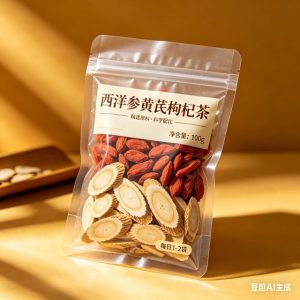
- Tea (decoction) – Use 3‑5g of dried ginseng slices. Simmer in 500ml water for 20‑30 minutes until reduced to 300ml. Drink warm, morning or early afternoon. Can re‑steep the same slices once.
- Powder (in capsules or stirred into warm water) – 1‑2g daily, start low.
- Tincture (alcohol extract) – 2‑4ml (40‑80 drops) in water, morning.
- Pre‑workout – Take powder or tea 45‑60 minutes before exercise.
- Avoid late evening – Ginseng can be mildly stimulating; best before 2 PM.
- Cycling – Traditional approach: 2‑3 weeks on, 1 week off. Or take 5 days on, 2 days off. Prevents possible tolerance.
Beyond tea: soup, honey, powder, even coffee
- Ginseng chicken soup (Samgyetang) – Stuff a small chicken with ginseng slices, glutinous rice, jujubes, and garlic. Simmer for 1 hour. Classic summer energy booster in Korea.
- Ginseng honey – Slice fresh ginseng thinly, cover with raw honey. Steep for 2 weeks. Take 1 teaspoon daily (add to tea or eat directly).
- Ginseng coffee blend – Add a pinch of ginseng powder to your morning coffee to offset coffee’s crash. Start with 200‑300mg.
- Infused wine or broth – Ginseng slices steeped in rice wine for 1 month (use 5g per 500ml). Take a small shot (10‑20ml) before meals for low appetite.
Using ginseng through the seasons
- Winter – prime season – Ginseng’s warming nature is most welcome. Perfect in soups or as a daily morning tea.
- Spring – for transition – Combine with astragalus or goji to build energy after winter.
- Summer – light doses only – Unless you have severe Qi deficiency, reduce amount or switch to American ginseng (cooling). Korean tradition serves ginseng chicken soup on the hottest days – surprisingly, it boosts circulation and helps the body cope with heat.
- Autumn – for immune preparation – Start 2‑4 weeks before flu season to build immune resilience.
What science still doesn’t know about ginseng
Despite extensive study, several questions remain:
- The exact ginsenoside profile that works best for each condition is not standardized. Whole‑root extracts contain dozens of compounds, possibly acting in synergy.
- Optimal cycling periods are based on tradition, not rigorous trial data.
- Interactions with a wider range of drugs (e.g., SSRIs) are not well studied.
- Long‑term daily use beyond 6 months has not been formally evaluated in randomized trials, but traditional use suggests excellent safety with periodic breaks.
These gaps do not negate ginseng’s benefits – they simply mean we must combine scientific evidence with practical wisdom.
Who should avoid it? Side effects and interactions
Ginseng is very safe at recommended doses. However:
- Insomnia – Avoid after 2‑3 PM.
- Acute illness – Do not use during fever, cold, or infection (may “feed” the pathogen).
- Pregnancy & breastfeeding – Avoid high doses; consult doctor.
- Bleeding disorders – Use caution, especially if taking anticoagulants (warfarin). Monitor INR.
- High blood pressure – Red ginseng may temporarily increase BP in some individuals; American or white ginseng is safer. Check BP regularly.
- Autoimmune diseases – Theoretical immune stimulation; consult a doctor.
The bottom line
Ginseng is not a magic pill, but it is one of the most robustly supported herbs for energy, mental sharpness, and stress resilience. It works best as part of a lifestyle – not as a replacement for sleep, good food, or exercise. If you are fatigued, stressed, or looking for a natural edge, a daily cup of ginseng tea (taken mindfully) may be the ancient secret that modern science now endorses. Start with a low dose, cycle your intake, and give it 2‑4 weeks to feel the difference.
Last updated: April 2026