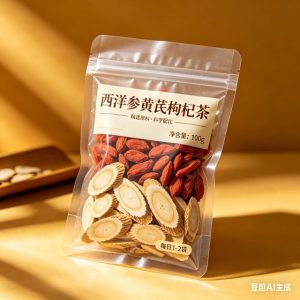
Goji Berry: The “Longevity Fruit” Backed by Modern Eye Science
For centuries, goji berries have been called the “longevity fruit” in Taoist traditions – eaten daily by monks and herbalists seeking vitality and sharp vision into old age. Today, we know exactly why: goji is the richest dietary source of zeaxanthin, a nutrient that directly protects the most sensitive part of your retina. This guide covers the evidence, practical uses, and safety of this remarkable berry.
The story of goji: from the Himalayas to your kitchen
Wild goji berries have been gathered for over 2,000 years in the Ningxia region of China, where the Yellow River deposits mineral‑rich silt. The fruit was so prized that it was often given as tribute to emperors. In Traditional Chinese Medicine, goji is a “superior herb” – non‑toxic and suitable for daily consumption. It is said to “nourish the liver and kidneys, brighten the eyes, and extend life.”
Today, Ningxia goji remains the gold standard. The berries are sun‑dried and sold worldwide. They have a sweet, slightly tart taste and can be eaten raw, steeped in tea, or cooked in soups.
Can goji berries really improve your eyesight?
Yes – but not in the way that corrects refractive errors like nearsightedness. Goji berries support the health of the macula, the central part of the retina responsible for fine detail and color vision. The macula naturally contains zeaxanthin and lutein. Goji is unique because it provides zeaxanthin dipalmitate, a form that is highly bioavailable for the eye.
A 2021 randomized trial gave healthy adults 28g of goji berries per day for 12 weeks. The result: a significant increase in macular pigment optical density (MPOD) – a measure of the retina’s protection against blue light and oxidative damage. Higher MPOD is associated with lower risk of age‑related macular degeneration (AMD), a leading cause of blindness. Goji was as effective as high‑dose lutein/zeaxanthin supplements.
If you spend hours in front of screens, or are over 50, adding goji berries to your diet is one of the few lifestyle steps proven to directly benefit your macula.
Other evidence‑based benefits: immunity, blood sugar, and energy
Immune support – A systematic review of seven studies concluded that regular goji consumption (15‑30g/day) led to fewer self‑reported cold/flu episodes and increased lymphocyte proliferation. The polysaccharides (LBPs) activate macrophages and natural killer cells.
Blood sugar control – A 2020 animal study showed LBPs improved insulin sensitivity and reduced fasting glucose in diabetic rats. Human data is more limited, but a small trial in type 2 diabetics noted a modest reduction in post‑meal glucose after 3 months of goji juice. Goji is not a substitute for medication but may be a helpful addition.
Energy and fatigue – Traditional use as a “vitality tonic” is supported by some preclinical studies showing LBPs improve mitochondrial function and reduce oxidative stress in muscle tissue. Small human surveys report improved well‑being and less morning fatigue after regular consumption.
Goji vs. blueberry vs. bilberry – which is best for eyes?
| Berry | Primary eye compound | Key benefit | Best for |
|---|
| Goji on | Zeaxanthin (dipalmitate) on | Increases macular pigment, filters blue light on | Long‑term protection against AMD, daily use for screen workers on |
| Blueberry on | Anthocyanins (cyanidin, malvidin) on | Improves night vision, reduces eye fatigue through better microcirculation on | Acute eye strain, adapting from bright to dark (e.g., night driving) on |
| Bilberry on | Anthocyanins (higher concentration than blueberry) on | Retinal blood flow, treats diabetic retinopathy (older studies) on | Diabetic eye disease, historical night vision claims (mixed evidence) on |
For overall daily eye health, goji has the strongest direct evidence. Rotating goji with blueberries gives you both zeaxanthin and a range of anthocyanins.
How to eat goji berries for best results (dosage & methods)
- Raw as a snack – 10‑20g (about a small handful) per day. Chew thoroughly to break down the skins.
- Steeped in tea (classic) – Add 5‑10g dried goji to a cup of hot water (200ml). Steep 10‑15 minutes. Eat the softened berries at the bottom.
- In overnight oats or yogurt – Soak in water or yogurt; they plump up overnight.
- Cooked in soups or congee – Add during the last 10 minutes of cooking to preserve nutrients.
- Smoothie – Blend soaked goji with banana, spinach, and almond milk.
- Dosage: For general wellness, 10‑15g/day. For specific eye support or during cold season, 20‑30g/day for 1‑2 months, then reduce.
Creative ways to use goji beyond tea
- Goji honey paste – Soak 50g goji in 200g raw honey for 2 weeks. Take 1 teaspoon daily.
- Goji infused water – Place a handful in a water bottle; refill throughout the day.
- Goji trail mix – Combine with walnuts, dark chocolate, pumpkin seeds.
- Goji jelly or jam – Simmer goji with lemon juice and a bit of sugar until soft, then use as spread.
- Freeze for later – Fresh goji (when available) freezes well. Dried goji is fine at room temperature.
Using goji through the seasons (Taoist wisdom)
- Autumn – best season for goji – Traditionally harvested in late summer/autumn, goji is considered most effective when consumed during autumn to prepare the body for winter.
- Winter – with warming spices – Add goji to ginger tea or stews to balance its neutral nature.
- Spring – pair with chrysanthemum – Classic combination for spring allergies (red, itchy eyes).
- Summer – use in cooling drinks – Steep goji with mint and lemon, then chill for an afternoon energy boost.
What science still doesn’t know about goji
Despite many studies, questions remain:
- The optimal dose and duration for specific eye conditions (AMD, diabetic retinopathy) has not been firmly established.
- High‑quality RCTs on blood sugar and energy are few and small.
- Interactions with a wide range of drugs (other than warfarin) are not studied.
- Most studies use complex goji extracts, not whole berries – but whole berries are likely effective, as traditional use suggests.
These gaps do not negate goji’s benefits – they highlight areas for future research. For now, goji is a safe, tasty, and evidence‑based addition to a healthy diet.
Safety, side effects, and interactions
Goji is extremely safe for most people. However:
- Digestive sensitivity: Very high doses (>50g) may cause bloating or loose stools. Start with a small handful.
- Allergy: Rarely, people allergic to other nightshades (tomatoes, eggplant) may react. Discontinue if rash or itching occurs.
- Warfarin (Coumadin): Goji may increase bleeding risk; monitor INR and consult your doctor.
- Diabetes medications: Monitor blood glucose, as goji may modestly lower sugar.
- Pregnancy: Small amounts (10‑15g/day) are generally recognized as safe, but high‑dose supplements should be avoided.
The bottom line
Goji berry is one of the few foods with direct, evidence‑based benefits for eye health – specifically, protecting the macula from age‑related damage. It also supports immunity, may modestly improve blood sugar control, and is a delicious, versatile ingredient. For most people, eating a small handful daily is a simple, low‑risk habit with potentially high long‑term payoff. Buy high‑quality, preferably organic, dark‑red berries from Ningxia, and enjoy them in tea, oatmeal, or straight from the bag.
Last updated: April 2026